Medieval Map Of Europe Travel Guide
Medieval Map Of Europe Travel Guide
Introduction
Europe is a continent that is rich in history and culture. From the Middle Ages, Europe has been a hotspot for travelers who seek adventure and exploration. One of the best ways to explore Europe’s rich history is by visiting the Medieval Map of Europe. This map takes you on a journey through time and showcases some of the most fascinating attractions that Europe has to offer. In this comprehensive travel guide, we will take a closer look at what the Medieval Map of Europe has to offer and how you can make the most of your trip.
Top Attractions
The Colosseum
The Colosseum is one of the most popular attractions on the Medieval Map of Europe. This ancient amphitheater was built in AD 80 and is the largest amphitheater ever built. The Colosseum was used for gladiatorial contests and public spectacles such as animal hunts, mock sea battles, and executions. Today, the Colosseum is open to the public and is a popular tourist attraction.
The Eiffel Tower
The Eiffel Tower is another popular attraction on the Medieval Map of Europe. This iconic structure was built in 1889 and is one of the most recognizable landmarks in the world. Visitors can climb to the top of the tower and enjoy panoramic views of Paris.
Hidden Gems
While the top attractions on the Medieval Map of Europe are certainly worth visiting, there are also some hidden gems that are worth exploring. These hidden gems offer a glimpse into the local culture and history of Europe.
The Prague Castle
The Prague Castle is one such hidden gem. This castle is one of the largest castles in the world and was built in the 9th century. It is home to the Czech Crown Jewels and is one of the most important cultural institutions in the Czech Republic.
The Alhambra
The Alhambra is another hidden gem on the Medieval Map of Europe. This palace and fortress complex was built in the 13th century and is located in Granada, Spain. It is known for its stunning Islamic architecture and is a UNESCO World Heritage Site.
Food Scene
The food scene on the Medieval Map of Europe is diverse and delicious. From traditional dishes to modern cuisine, there is something for everyone.
Pizza in Naples
If you are a fan of pizza, then Naples is the place to be. This Italian city is known for its delicious pizza, which is made with fresh ingredients and cooked in a wood-fired oven.
Paella in Valencia
Paella is a traditional Spanish dish that is made with rice, vegetables, and meat or seafood. Valencia is the birthplace of paella, and there are many restaurants in the city that serve this delicious dish.
Budget-Friendly Tips
Traveling on a budget can be challenging, but it is possible to enjoy the Medieval Map of Europe without breaking the bank.
Hostels and Airbnb
One of the best ways to save money on accommodation is by staying in a hostel or Airbnb. Hostels offer affordable dormitory-style accommodations, while Airbnb allows you to rent a room or an entire apartment from a local.
Free Walking Tours
Many cities on the Medieval Map of Europe offer free walking tours. These tours are led by locals who are passionate about their city and are a great way to learn about the local culture and history.
Outdoor Adventures
Europe is home to some of the most beautiful natural landscapes in the world. From mountains to beaches, there are plenty of outdoor adventures to be had on the Medieval Map of Europe.
Hiking in the Swiss Alps
The Swiss Alps are a popular destination for hikers and outdoor enthusiasts. There are many hiking trails in the area, ranging from easy walks to challenging multi-day hikes.
Surfing in Portugal
Portugal is known for its world-class surfing beaches. The waves are consistent and the water is warm, making it the perfect destination for surfers of all levels.
Family-Friendly Activities
Traveling with kids can be challenging, but there are plenty of family-friendly activities on the Medieval Map of Europe that will keep everyone entertained.
Disneyland Paris
Disneyland Paris is a magical destination for kids and adults alike. The park offers a variety of rides, shows, and attractions that are sure to delight visitors of all ages.
The Berlin Zoo
The Berlin Zoo is one of the oldest and most famous zoos in the world. It is home to over 20,000 animals and is a great destination for families.
Off-the-Beaten-Path Experiences
If you are looking for something a little more unique and off-the-beaten-path, there are plenty of experiences on the Medieval Map of Europe that will satisfy your craving for adventure.
Hot Air Balloon Ride in Cappadocia
Cappadocia is a region in Turkey that is known for its unique landscape and hot air balloon rides. Visitors can take a hot air balloon ride over the stunning landscape and enjoy breathtaking views.
The Plitvice Lakes National Park
The Plitvice Lakes National Park is located in Croatia and is known for its stunning waterfalls and crystal-clear lakes. Visitors can hike through the park and enjoy the natural beauty of the area.
Natural Wonders
Europe is home to some of the most beautiful natural wonders in the world. From mountains to lakes, there are plenty of natural wonders to explore on the Medieval Map of Europe.
The Northern Lights
The Northern Lights, also known as the Aurora Borealis, are a natural phenomenon that can be seen in the northern part of Europe. The lights are caused by solar particles colliding with the Earth’s atmosphere and are a must-see for nature lovers.
The Swiss Alps
The Swiss Alps are not only great for hiking, but they also offer stunning views of the surrounding landscapes. Visitors can take a gondola ride to the top of the mountain and enjoy panoramic views of the area.
Vibrant Nightlife
Europe is known for its vibrant nightlife, and there are plenty of destinations on the Medieval Map of Europe that offer a great party scene.
Ibiza
Ibiza is known for its famous nightclubs and beach parties. It is a popular destination for partygoers from all over the world.
Amsterdam
Amsterdam is another destination that is known for its vibrant nightlife. The city has a variety of bars and clubs that cater to all tastes and preferences.
Local Markets
Europe is home to some of the most vibrant and colorful markets in the world. From food markets to flea markets, there is something for everyone on the Medieval Map of Europe.
The Grand Bazaar
The Grand Bazaar is located in Istanbul, Turkey and is one of the oldest and largest covered markets in the world. Visitors can find everything from spices to textiles in this vibrant market.
The Christmas Markets
The Christmas markets in Europe are a must-see during the holiday season. These markets are filled with festive decorations, local crafts, and delicious food.
Beaches and Mountains
Europe is home to some of the most beautiful beaches and mountains in the world. Whether you are looking for a relaxing beach vacation or an adventurous mountain getaway, there are plenty of destinations on the Medieval Map of Europe to choose from.
The Amalfi Coast
The Amalfi Coast in Italy is known for its stunning coastline and crystal-clear waters. It is a popular destination for beach lovers and sun-seekers.
The Swiss Alps
The Swiss Alps are not only great for hiking, but they also offer stunning views of the surrounding landscapes. Visitors can take a gondola ride to the top of the mountain and enjoy panoramic views of the area.
Cultural Immersion
One of the best ways to experience the local culture on the Medieval Map of Europe is by immersing yourself in the local traditions and customs.
The Running of the Bulls
The Running of the Bulls is a traditional festival that takes place in Pamplona, Spain. It is a celebration of the city’s patron saint and is known for its adrenaline-fueled bull runs.
The Venice Carnival
The Venice Carnival is a traditional festival that takes place in Venice, Italy. It is known for its elaborate costumes and masks, and is a celebration of the city’s rich history and culture.
Art and Music Scene
Europe has a rich history of art and music, and there are plenty of destinations on the Medieval Map of Europe that offer a great art and music scene.
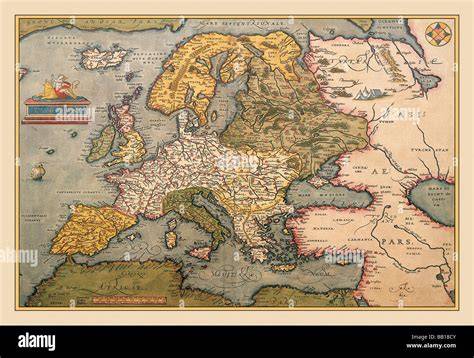
Europe in 1328. Maps on the Web from mapsontheweb.zoom-maps.com